


Exotic Mammal Vet in Charleston, SC
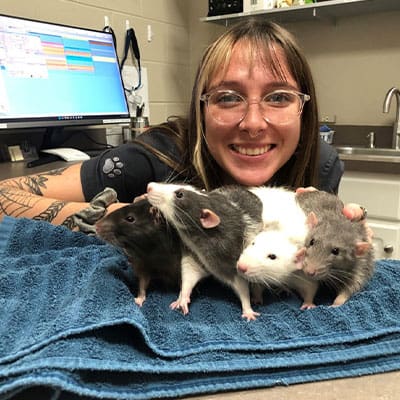
Exotic mammals and pocket pets are enjoyable to watch and can make fun companions. Despite their often small size, they still require attentive care from both you and our veterinarians. We recommend biannual physical exams and parasite screens for all our pocket pet and exotic mammal patients to ensure they're staying healthy.
Just like other pets, pocket pets and exotic mammals can develop all manner of diseases, and they have many specific needs to ensure good health and quality of life, including an appropriate diet, a suitable habitat, and in some cases, a companion or two of the same species.
A variety of animals fall under the “exotic mammal” category, with some of the most common being:
- Rats, hamsters, squirrels, gerbils, chinchillas, and mice
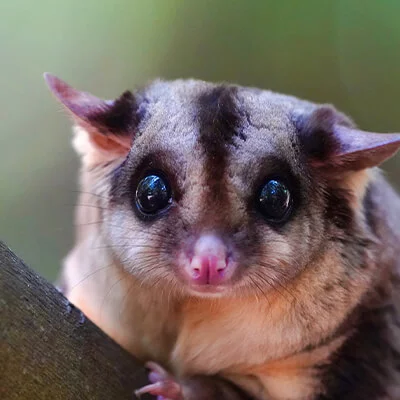
- African Pygmy hedgehogs and sugar gliders
- New World primates, marmosets, lemurs, coati mundi, sloths, kinkajous, miniature pigs, and pygmy goats
- Raccoons, opossums, skunks and other "pet" wildlife
- Savannah cats, servals, bobcats, and other cats
If you have an exotic mammal in your care, be sure to schedule their routine checkup with us. Book now!

Signs of a Health Emergency in Exotic Mammals and Pocket Pets
While some cases require urgent treatment, most after-hours concerns are best evaluated by our experienced team. Rather than going to an emergency clinic, the best thing for you and your pet is to come see our specialists at our next available appointment. If no appointments are available, we offer Emergency Admission Mon-Saturday beginning at 8am.
Signs your exotic mammal may need veterinary care. Click here to book the next available appointment with us:
- Lack of appetite
- Diarrhea
- Fewer stools
- Depression
- Painful when handled or touched
- Weakness
- Falling over
- Head tilted
- Hunched posture
- Matted/unkempt coat
- Fecal/urine staining of fur
Signs your exotic mammal may need emergency after-hours veterinary care:
- Diarrhea consistently for 24+ hours
- Heavy, labored breathing
- Not walking or standing
- Uncontrollable bleeding
- Unconsciousness
What to Expect At Your Exotic Mammal or Pocket Pet's Wellness Visit
Need to Board Your Pet While You're Away?
Chinchilla Care
Chinchillas are welcome as patients at our clinic. We are happy to provide a lifetime of care that includes:
- Routine health checkups
- Bloodwork
- Fecal exams
- Spay and Neuter
- Dental treatments
If you have questions about your chinchilla or need to book now, call (843) 216-8387.

Common Diseases and Conditions
Exotic mammals and pocket pets can suffer from various diseases just like any other animal. The most common conditions they experience include:
- Dental disease
- Reproductive disease
- Malnutrition
- Respiratory disease
- Obesity
Handouts to Help You Care for Your Exotic Mammal or Pocket Pet
Below are some educational handouts containing essential information to help you care for your exotic mammal or pocket pet. Most of all, if you have any questions or concerns, please call our hospital at (843) 216-8387.