

Can Exotic Pets Get Cyclospora from Fresh Produce?
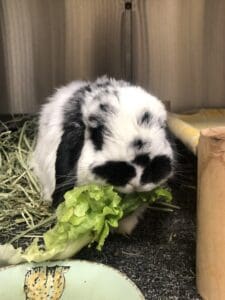
If you’ve recently heard about Cyclospora in the news, you may be wondering whether your produce-eating exotic pet is at risk.
The good news is that there is currently no evidence that the parasite Cyclospora cayetanensis infects exotic pets. This parasite is considered specific to humans, and experts do not believe rabbits, reptiles, birds, guinea pigs, or other common exotic pets become infected with it from eating contaminated produce.
What Is Cyclospora?
Cyclospora cayetanensis is a microscopic parasite that causes an intestinal illness called cyclosporiasis in people. It is most commonly spread by consuming fresh produce or water contaminated with the parasite. In humans, symptoms may include watery diarrhea, loss of appetite, stomach cramps, nausea, fatigue, and weight loss. Not everyone who is infected develops symptoms, but those who do can become ill for days to weeks without treatment.
Which Exotic Pets Eat Fresh Produce?
Many exotic pets rely on fresh fruits and vegetables as part of a healthy diet, including:
- Rabbits
- Birds (parrots, parakeets, budgies, cockatiels, etc)
- Guinea pigs
- Hamsters
- Prairie Dogs
- Gerbils
- Chinchillas
- Rats and Mice
- Sugar Gliders
- Skinks
- Iguanas
- Bearded dragons
- Geckos
- Uromastyx
- Turtles and Terrapins (box, semi-aquatic, diamondback terrapin, etc)
- Tortoises (leopard, russian, red-footed, sulculta, etc)
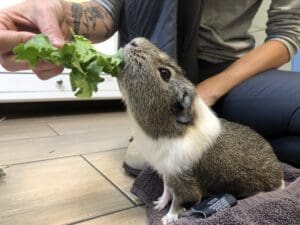
Although these pets regularly eat fresh produce, there is no current evidence that they can develop cyclosporiasis caused by Cyclospora cayetanensis.
What Produce Has Been Associated with Cyclospora?
Recently, Cyclospora has been linked to several types of fresh produce, including:
- Cilantro
- Basil
- Parsley
- Romaine lettuce
- Bagged salad mixes
- Spinach
- Raspberries
- Blackberries
- Snow peas
- Sugar snap peas
Past outbreaks also included green onions/scallions, cucumbers, broccoli, and fresh vegetable trays.
How Should You Wash Produce?
Because fresh produce can occasionally become contaminated during growing or processing, it is always a good idea to wash fruits and vegetables before serving them to both your family and your pets.
To help reduce the risk of contamination:
- Rinse fruits and vegetables under cool, running water before use.
- Gently rub firm produce such as cucumbers, squash, melons, and apples while rinsing.
- Remove damaged or bruised areas when appropriate.
- Dry produce with a clean paper towel or cloth if preparing it for yourself.
- Avoid washing produce with soap, bleach, or household disinfectants, as these products are not intended for food and may be harmful if ingested.
Should I Stop Feeding Fresh Produce?
No. Fresh vegetables and fruits remain an important part of the diet for many exotic pets. Simply continue following good food safety practices by washing produce thoroughly before feeding it.
When Should I Contact My Veterinarian?
Contact your exotic specialist veterinarian if your exotic pet develops the following:
- a decreased appetite
- diarrhea
- lethargy
- or other signs of illness.
While Cyclospora is not considered a concern for exotic pets, many other conditions can cause gastrointestinal upset and should be evaluated if symptoms persist.
Frequently Asked Questions
Can rabbits get Cyclospora?
There is no evidence that rabbits become infected with Cyclospora cayetanensis, the species that causes cyclosporiasis in humans.
Can birds get Cyclospora?
There is no current evidence that birds can become infected with Cyclospora cayetanensis.
Can reptiles get Cyclospora?
Current evidence indicates that reptiles are not susceptible to human Cyclospora cayetanensis infections.
Should I stop feeding lettuce or berries to my pet?
No. Continue feeding a balanced diet that includes appropriate produce, but always wash fruits and vegetables thoroughly before offering them.
Can my pet give me Cyclospora?
No. Cyclospora cayetanensis is considered a human-specific parasite and is not known to be transmitted from pets to people.
At Exotic Vet Care, we understand that reports of foodborne illnesses can be concerning—especially when fresh produce is part of your pet’s daily diet. If you have questions about your exotic pet’s nutrition or notice changes in their appetite, droppings, or digestive health, we’re happy to help. Our team can answer your questions and schedule an appointment to ensure your pet receives the care they need.
About Us
Our exotic animal hospital is dedicated exclusively to the care of birds, exotic small mammals, reptiles, and even fish! We can offer everything your pet needs for a healthy and happy life, from wellness care and grooming to diagnostics and dentistry, but we can also provide emergency care during our operating hours, along with specialized treatment for referred patients.